
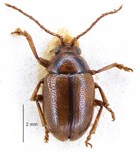
Native New Zealand flora may hold the secret to sustainable management of bronze beetle, with new research investigating whether an attraction exists between the beetles and indigenous plants.
The Bronze Beetle project, led by BSI scientists Dr Vaughn Bell and Dr Bethan Shaw, will run for five years thanks to funding support from the Ministry for Primary Industries’ Sustainable Food and Fibre Futures fund (now replaced by the Primary Sector Growth Fund). It has an ambition of using soil conditions, habitat and phenology to identify strategies that make conditions less favourable for beetle survival.
In its second year, researchers will explore the beetle’s unique relationship with native vegetation, with hopes that this could unlock sustainable, nature-based solutions for organic growers.
“Bronze beetle is a species unique to New Zealand, and by engaging with Māori we’re gaining new insights into its cultural significance and its connection to indigenous plants,” says Dr Vaughn Bell.
“These insights may help us identify biological ways of managing bronze beetle in and around apple orchards.”
Initial investigations provided scientists with a deeper understanding about beetle pheromones, behavioural responses and life cycles. Early examinations of plant volatiles – and the impact these have on beetle behaviour – suggests indigenous plants may emit organic compounds that attract bronze beetles.
The next phase will see BSI chemists analyse these compounds, with the goal of synthesising them and testing their potential to alter beetle behaviour in orchards to the advantage of growers.
“We’re asking if, like a codling moth dispenser, one or more compounds identified can be deployed in-orchard to alter beetle behaviour, for example, by reducing mating opportunities,” says Bell.
In addition to plant-based strategies, the project is evaluating existing pesticide products for their compatibility with organic apple production. Early trials are encouraging, and further research will assess the potential for an integrated, multi-tactic response against bronze beetle.
The team is also investigating whether naturally occurring microbes in the soil can negatively impact beetle larvae and offer another tool for growers.
“Growers need a selection of tactics for managing bronze beetle beyond under-tree soil cultivation. By combining biological, chemical, and cultural approaches, we’re confident we can deliver sustainable solutions that protect both crops and the environment,” says Bell.
NZAPI’s Bronze Beetle Research investigates new methods of sustainable pest management, ensuring New Zealand’s pipfruit sector remains resilient and innovative.


